
Collaborate





Comment
Share



Thambara Monaravila Keppetipola
1818 උව ප්රදේශයේ ඇතිවූ මහ කැරැල්ලේ ප්රධාන නායකයා ලෙස කැප්පැටිපොල දිසාපතිතුමා ඉතා වැදගත් භූමිකාවක් ඉටු කළේය. බ්රිතාන්යයන් විසින් කැරැල්ල මර්දනය කිරීම සඳහා ඔහු යවන ලද නමුත්, කැරැල්ලට එක්වීමට ඔහු තීරණය කළ අතර, එයින් පසු කැරළිකරුවන්ගේ නායකත්වය භාරගත්තේය. අවසානයේදී මෙම කැරැල්ල බ්රිතාන්යයන් විසින් පරාජය කරනු ලැබූ අතර, කැප්පැටිපොල දිසාපතිතුමා සහ අනෙකුත් නායකයන් උසස් ද්රෝහී චෝදනා යටතේ මරණ දණ්ඩනයට නියම කරන ලදී. ඔහුගේ මරණය මුහුණ දුන් අවස්ථාවේ පෙන්වූ අසීමිත ධෛර්යය හේතුවෙන් ඔහු අද ශ්රී ලංකාවේ ජාතික වීරයකු ලෙස ගෞරවයට පාත්ර වී ඇත.
මුල් ජීවිතය සහ පවුල
කැප්පැටිපොල දිසාපතිතුමා උපත ලබා ඇත්තේ මතලේ දිස්ත්රික්කයේ උඩුගොඩ, උඩසිඳ පත්තු ප්රදේශයේය. ඔහුගේ පියා වූ ගොලහාල නීලමේ, රාජාදි රාජසිංහයන්ගේ හා ශ්රී වික්රම රාජසිංහයන්ගේ රාජදරබාරයේ උසස් තනතුරු දැරූ අයෙකි. ඔහු දියවඩන නීලමේ ලෙසද, තමාන්කඩුව දිසාපතිවරයා ලෙසද සේවය කර ඇත. කැප්පැටිපොල දිසාපතිතුමාගේ කනිෂ්ඨ සහෝදරිය වූ එහෙලෙපොල කුමාරිහෑමී, එහෙලෙපොල නීලමේගේ භාර්යාව වූ අතර, ඇයත් ඇගේ දරුවන්ත් ශ්රී වික්රම රාජසිංහ රජු විසින් ඝාතනය කරනු ලැබීය.
බ්රිතාන්ය පාලනය ආරම්භ වීම හා කැරැල්ලට එක්වීම
1815 මාර්තු 2 වන දින මහනුවරදී අත්සන් කළ උඩරට ගිවිසුමට අත්සන් තැබූ සිංහල නායකයන් අතර කැප්පැටිපොල දිසාපතිතුමාද එක් අයෙකි. සිංහල භාෂාවෙන් ගිවිසුමට අත්සන් කළ නායකයන් තුන්දෙනා අතර ඔහුද සිටියේය. එය ඔහු බ්රිතාන්ය පාලනයට සම්පූර්ණයෙන්ම එකඟ නොවූ බවට සංකේතයක් ලෙස කිසිවරුන් විසින් සලකනු ලැබේ.
පසුව ඔහු බ්රිතාන්ය පාලනය යටතේ උව පළාතේ දිසාපතිවරයා ලෙස සේවය කළේය. 1817 වන විට කැරැල්ල දැඩිව වර්ධනය වී සාකච්ඡා මාර්ගයෙන් විසඳිය නොහැකි තත්ත්වයකට පැමිණියේය. එවිට ආණ්ඩුකාර රොබට් බ්රවුන්රිග් විසින්, ජෝන් ඩොයිලිගේ උපදෙස් මත, කැප්පැටිපොල දිසාපතිතුමා සෙබළු 500ක් සමඟ කැරැල්ල මර්දනයට යැවීය. නමුත් කැරළිකරුවන් හමුවීමෙන් පසු ඔහු ඔවුන්ගේ ඉල්ලීම මත කැරැල්ලට එක්ව නායකත්වය භාරගත්තේය. ඔහු තම සන්නද්ධ බලය හා ආයුධ බ්රිතාන්යයන්ට ආපසු භාරදී, “ඔවුන්ගේම ආයුධ වලින් ඔවුන් විනාශ කිරීමට කැමති නොවන බව” ප්රකාශ කළේය.
1818 උව මහ කැරැල්ල
කැප්පැටිපොල දිසාපතිතුමාගේ කැරැල්ලට එක්වීමෙන් පසු, මහනුවර සහ අවට පළාත්වල යුධ නීතිය ප්රකාශයට පත් කරමින් බ්රිතාන්ය හමුදා දෙකක් උව ප්රදේශයට යවන ලදී. මේ අතර රාජකීය උරුමක්කරුවෙකු ලෙස පෙනී සිටි විල්බාවේ රාජතුමා ලෙස අභිෂේක කරනු ලැබූ අතර, ඔහු යටතේ කැප්පැටිපොල දිසාපතිතුමා මහ අධිකාරම් (ප්රධාන අමාත්ය) ලෙස පත් කරන ලදී.
බ්රිතාන්ය හමුදාවට සාපේක්ෂව අඩු බලයක් තිබූ බව දැන සිටි කැප්පැටිපොල දිසාපතිතුමා, ගරිල්ලා යුධ ක්රම භාවිතා කරමින් සටන් කළේය. මුහුණට මුහුණ සටන් ඉතා සීමිතව සිදු වූ අතර, බහුතරයක් ප්රහාර හොරෙන් පහර දීමේ ආකාරයෙන් සිදු විය. මෙම නායකත්වය යටතේ කැරැල්ල රටේ විශාල ප්රදේශයකට පැතිර ගියේය. 1818 ජනවාරි 1 වන දින ආණ්ඩුකාර බ්රවුන්රිග් විසින් කැප්පැටිපොල ඇතුළු 16 දෙනෙකු රාජ්යයට සතුරන් ලෙස ප්රකාශ කර ඔවුන්ගේ දේපළ ضبط කරන ලදී.
අල්ලාගැනීම හා මරණ දණ්ඩනය
1818 ඔක්තෝබර් 28 වන දින කැප්පැටිපොල දිසාපතිතුමා සහ පිළිමතලාවේ නීලමේ, බ්රිතාන්ය හමුදාවේ කැප්ටන් ඕ’නීල් විසින් අල්ලාගනු ලැබීය. හමුදාව ඔහු සැඟවී සිටි ගෙය වටලන විට, කැප්පැටිපොල දිසාපතිතුමා ධෛර්යයෙන් ඉදිරියට පැමිණ තමන් හඳුන්වා දී ස්වෙච්ඡාවෙන් අත්අඩංගුවට ගත්තේය. පසුව ඔහු මහනුවරට ගෙන ගොස් උසස් ද්රෝහී චෝදනාවට ලක් කර, හිස කපා මරණ දණ්ඩනයට නියම කරන ලදී.
1818 නොවැම්බර් 25 වන දින කැප්පැටිපොල සහ මදුගල්ලේ නීලමේ දළදා මාළිගාවට ගෙන ගොස් අවසන් ආගමික කටයුතු සිදු කිරීමට අවස්ථාව ලබා දෙන ලදී. එහිදී ඔහු “ඊළඟ උපතේ හිමාලය ප්රදේශයක උපදී නිර්වාණය ලබන්නට” ප්රාර්ථනා කළේය. බෝගම්බර මරණ භූමියේදී ඔහු, එක් කඩුවෙන් හිස කපන ලෙස වධකයාට ඉල්ලා, බුදු ගුණ සිහි කරමින් නිර්භීතව මරණය මුහුණ දුන්නේය.
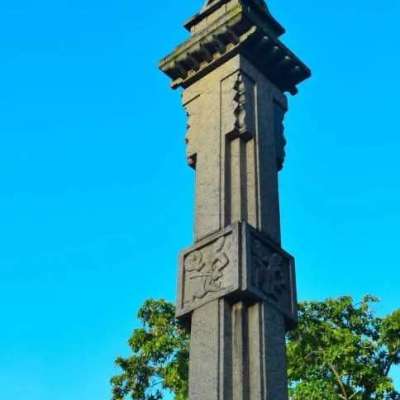
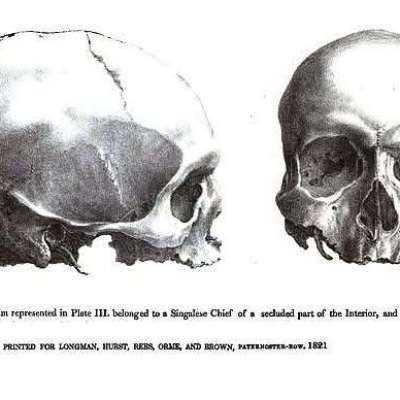
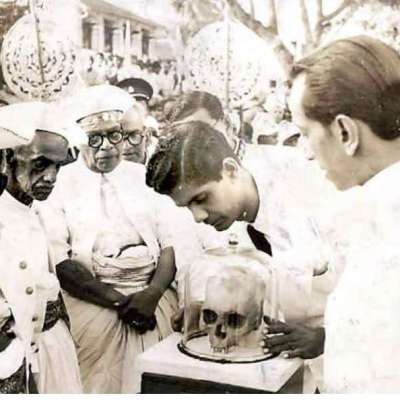
ඔහුගේ මරණයෙන් පසු ඔහුගේ හිස්කබල බ්රිතාන්යයට ගෙන ගොස් එඩින්බරෝ ෆ්රෙනොලොජි සංගමයේ තැන්පත් කරන ලදී. 1948දී ශ්රී ලංකාවට නිදහස ලැබීමෙන් පසු කැප්පැටිපොල දිසාපතිතුමා ජාතික වීරයකු ලෙස ප්රකාශ කරන ලද අතර, 1954දී ඔහුගේ හිස්කබල නැවත ශ්රී ලංකාවට ගෙන්වා මහනුවර පිහිටි කැප්පැටිපොල ස්මාරකයේ තැන්පත් කර ඇත.
#fyp #FacebookPage #fyp #Kappetipola #kandy #visit srilanka #sinhala #viral #Sri lanka
Delete Comment
Are you sure that you want to delete this comment ?
Thambara Monaravila Keppetipola
Kappetipola Disawe, whose full name was Rajapaksha Wickramasekara Mudiyanselage Bandaranayake Monarawila Kappetipola (Sinhala: රාජපක්ෂ වික්රමසේකර මුදියන්සේලාගේ බණ්ඩාරනායක මොනරවිල කැප්පැටිපොල), is recognized as an outstanding national hero in Sri Lankan history. He served as a high-ranking provincial governor (Disawe) under the last king of the Kandyan Kingdom, Sri Wickrama Rajasinghe, and later also held an important position under British rule.
Kappetipola Disawe played a crucial role as the main leader of the Great Uva Rebellion of 1818. Although he was initially sent by the British to suppress the uprising, he decided instead to join it and subsequently assumed leadership of the rebels. The rebellion was eventually defeated by the British, and Kappetipola Disawe, along with other leaders, was sentenced to death on charges of high treason. Because of the extraordinary courage he displayed when facing death, he is honored today as a national hero of Sri Lanka.
---
Early Life and Family
Kappetipola Disawe was born in Udugoda, Udasinda Pattu, in the Matale District. His father, Golahala Nilame, held high positions in the royal courts of Rajadhi Rajasinghe and Sri Wickrama Rajasinghe. He served as Diyawadana Nilame and also as Disawe of Tamankaduwa.
Kappetipola’s younger sister, Ehelepola Kumarihami, was the wife of Ehelepola Nilame. She and her children were killed on the orders of King Sri Wickrama Rajasinghe.
---
Beginning of British Rule and Joining the Rebellion
Kappetipola Disawe was among the Sinhala leaders who signed the Kandyan Convention on 2 March 1815 in Kandy. He was one of the three leaders who signed the agreement in the Sinhala language, which some interpret as a sign that he did not fully agree with British rule.
Later, he served as the Disawe of Uva Province under British administration. By 1817, the rebellion had intensified to a point where it could no longer be resolved through discussion. On the advice of John D’Oyly, Governor Robert Brownrigg sent Kappetipola Disawe with 500 soldiers to suppress the uprising. However, after meeting the rebels, he agreed to their request to join them and assumed leadership. He returned his armed force and weapons to the British, declaring that he did not wish to defeat them using their own weapons.
---
The Great Uva Rebellion of 1818
After Kappetipola Disawe joined the rebellion, the British declared martial law in Kandy and surrounding regions and dispatched two military forces to Uva. Meanwhile, Wilbawe, who claimed royal lineage, was crowned as king, and Kappetipola Disawe was appointed Maha Adikaram (Chief Minister) under him.
Aware that his forces were weaker than the British army, Kappetipola Disawe employed guerrilla warfare tactics. Direct confrontations were limited, and most attacks were carried out through surprise raids. Under his leadership, the rebellion spread across a large part of the country. On 1 January 1818, Governor Brownrigg declared Kappetipola and 16 others enemies of the state and confiscated their properties.
---
Capture and Execution
On 28 October 1818, Kappetipola Disawe and Pilimatalawa Nilame were captured by Captain O’Neill of the British army. When the troops surrounded the house where he was hiding, Kappetipola Disawe bravely came forward, identified himself, and surrendered voluntarily. He was taken to Kandy, charged with high treason, and sentenced to death by beheading.
On 25 November 1818, Kappetipola and Madugalle Nilame were taken to the Temple of the Tooth Relic and given the opportunity to perform their final religious observances. There, Kappetipola expressed the wish to be reborn in the Himalayan region and attain Nirvana. At the Bogambara execution grounds, he requested that the executioner carry out the sentence with a single stroke and faced death courageously while contemplating the virtues of the Buddha.
---
Legacy
After his death, Kappetipola’s skull was taken to Britain and placed in the Edinburgh Phrenological Society. Following Sri Lanka’s independence in 1948, he was officially declared a national hero. In 1954, his skull was returned to Sri Lanka and enshrined at the Kappetipola Memorial in Kandy.
Delete Comment
Are you sure that you want to delete this comment ?